When autumn rolls around, there is nothing quite like taking a scenic drive down a tree-lined road.
Watching vibrant shades of amber, gold, and deep red fall gently from the branches creates a picturesque backdrop for your daily commute. But if you ask any mechanic working at our auto repair shop, we will tell you that those gorgeous autumn leaves lose their charm the second they land on your parked car.
It is easy to look at a layer of damp foliage sitting on your hood or roof and think of it as harmless nature. After all, it is just organic matter, right? Unfortunately, leaving a pile of wet leaves sitting on your vehicle for days at a time can cause surprisingly severe and expensive damage. From chemical paint erosion to hidden mechanical blockages, damp leaves carry a silent threat to your vehicle. Let us explore the science behind why wet leaves are so dangerous for your car and how taking a few quick steps can save you from a major repair bill.
The Corrosive Chemistry That Destroys Your Paint
To understand how a soft, wet leaf can ruin a tough automotive finish, you have to look closely at what happens when foliage starts to decompose. Leaves are packed with naturally occurring organic compounds, most notably tannic acid and sap.
When leaves fall from the trees and get soaked by autumn rain or morning dew, they trap moisture directly against your car’s clear coat. This creates a tiny, localized greenhouse effect on your paint panels.
Acidic Leaching:
As the trapped moisture causes the leaf to decay, it releases concentrated tannic acid directly onto the painted surface. This acidic solution slowly eats its way into the clear coat, creating permanent yellowed or brown leaf-shaped stains that cannot simply be washed off.
Pitting and Peeling:
If left undisturbed under the baking sun, that acidic moisture strips away the protective clear coat layer entirely. Once the clear coat is compromised, moisture reaches the underlying base paint and bare metal, laying the groundwork for rust spots to form.
Hidden Mechanical Troubles and Clogged Drainage Lines
Chemical damage to your paint finish is only part of the story. Wet leaves can also cause significant mechanical issues when they migrate into the hidden crevices of your vehicle.
As you drive, wind sweeps loose leaves across your hood and wedges them into the plastic cowl grille located at the base of your windshield. Directly beneath that plastic cowl sits your vehicle’s fresh air intake for the cabin heating system, along with critical firewall drainage channels. When wet leaves decay in this area, they form a thick, soggy compost that completely blocks those drainage holes.
When heavy rain falls, water cannot drain off the vehicle properly. Instead, the trapped rainwater backs up and overflows directly through your cabin air intake, soaking your interior floorboards, ruining delicate under-dash wiring harnesses, and creating a breeding ground for mold inside your carpet padding. Furthermore, decaying leaf litter trapped around your engine bay air box can easily restrict airflow, forcing your engine to work harder and dragging down your fuel economy.
Dangerous Hazards Down on the Roadway
While leaves sitting on your car damage the body panels, leaves sitting on the road present an immediate driving safety risk. Wet leaves act like millions of tiny, slick silicone discs covering the asphalt.
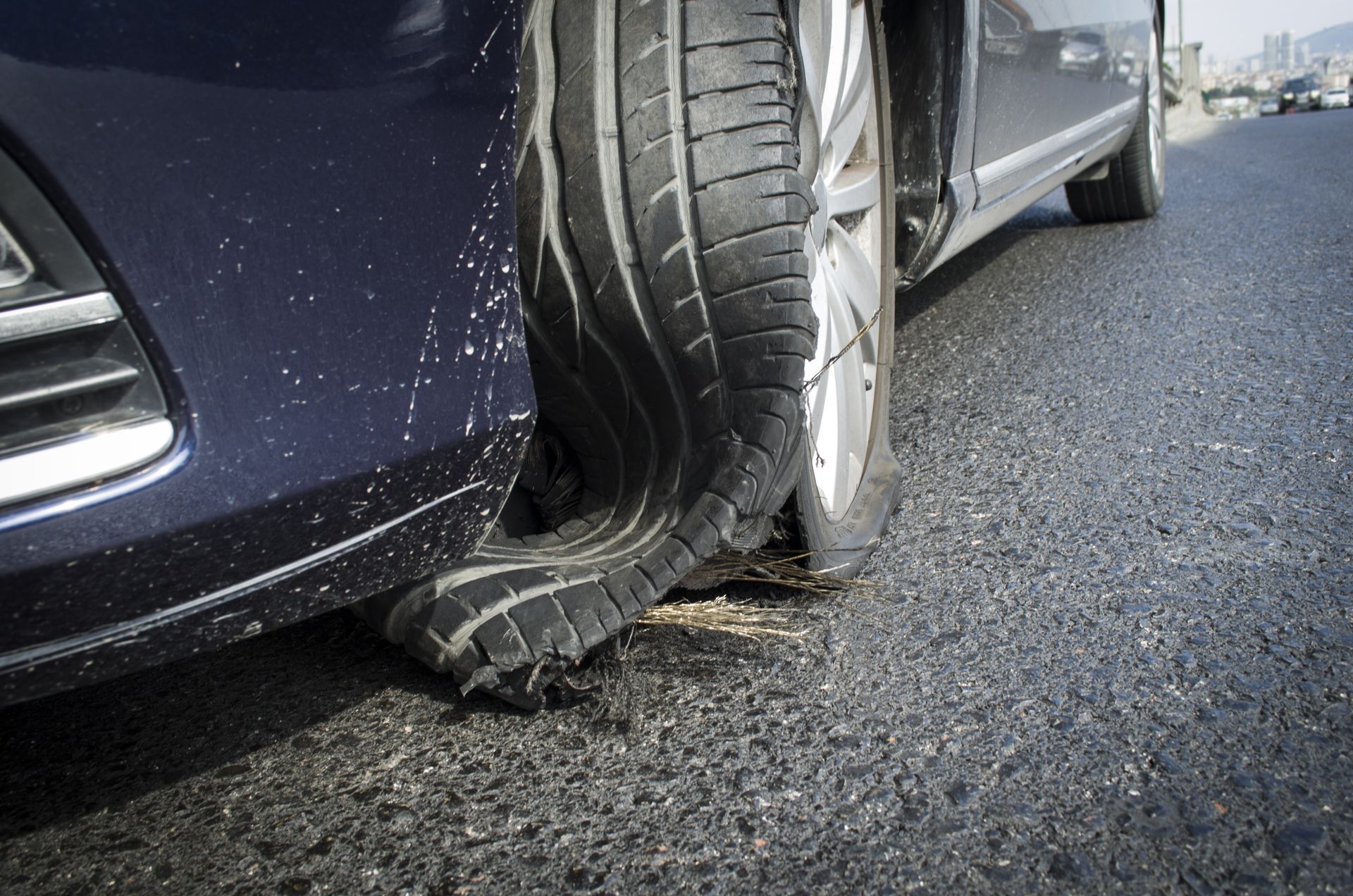
When decaying leaves get crushed under your tires, they release organic oils and moisture, reducing your tire traction to a level that rivals driving on solid black ice. If you have to slam on your brakes suddenly over a patch of wet leaves, your braking distance will increase dramatically, and your antilock braking system will engage violently. Additionally, piles of leaves on the side of the road often hide deep potholes, sharp curbs, or hidden debris that can easily bend your metal rims, ruin your wheel alignment, or slice open a tire sidewall.
Let Us Keep Your Ride Safe and Protected This Autumn
Autumn brings incredible beauty, but it also presents a unique set of challenges for your vehicle. Taking a few extra seconds each morning to brush wet leaves off your hood, clear out the base of your windshield, and park away from dense trees will go a long way toward preserving your car’s value and appearance.
We welcome you to bring your car by
Fussell Tire and Service in Valdosta, GA or
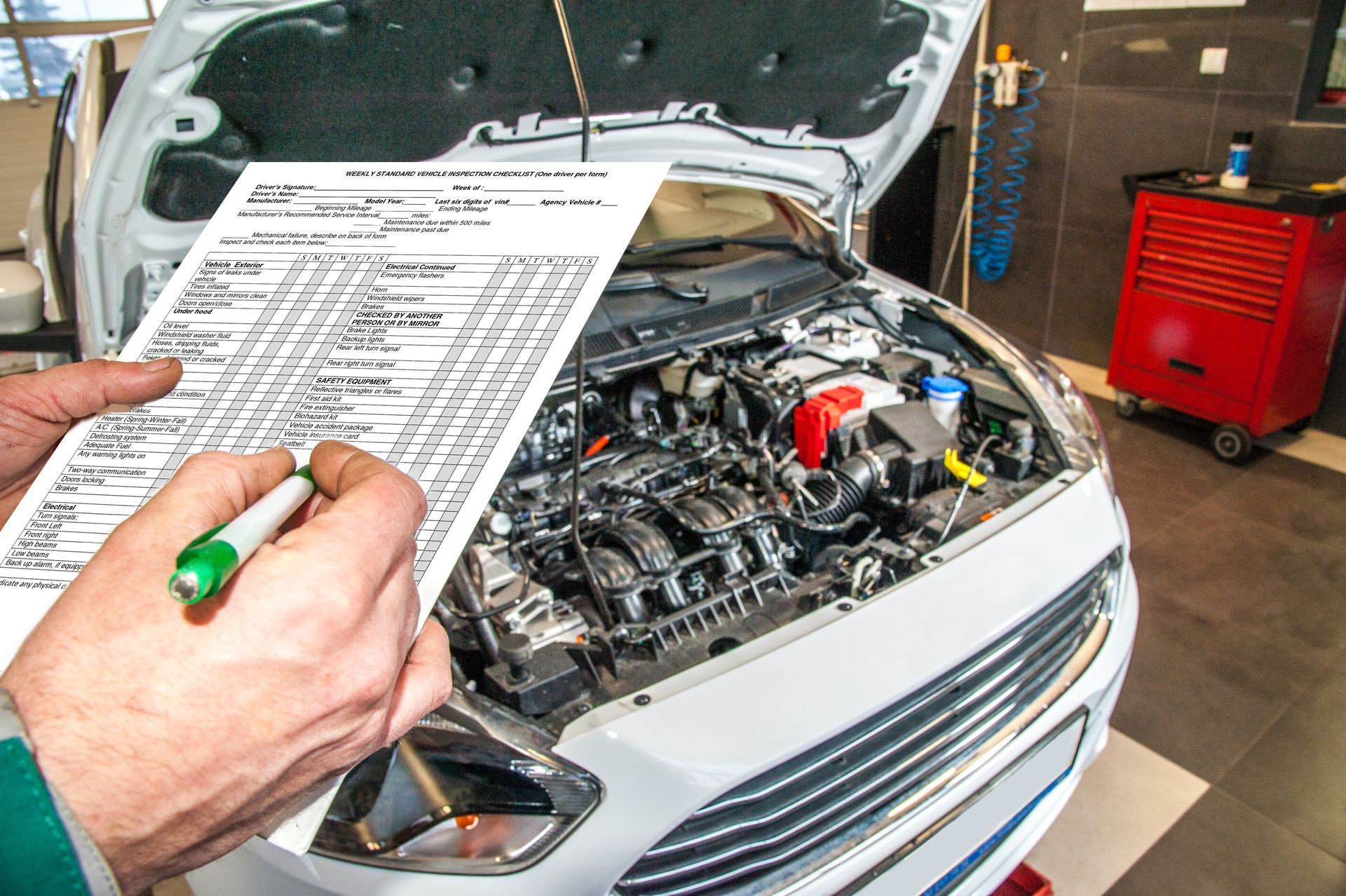
give us a call today to schedule a seasonal inspection, and let us help you keep your vehicle running smoothly and looking great all year long.