You know when the oil was changed. But when did you last change the brake fluid, coolant, or spark plugs? Those jobs are easier to lose track of, especially if different shops have worked on the car over the years.
Getting the records together is a good place to start. We can compare what's already been done with the schedule for your car, then check the parts that wear between visits. That gives you a plan based on the vehicle in front of us.
Start With Your Car's Maintenance Records
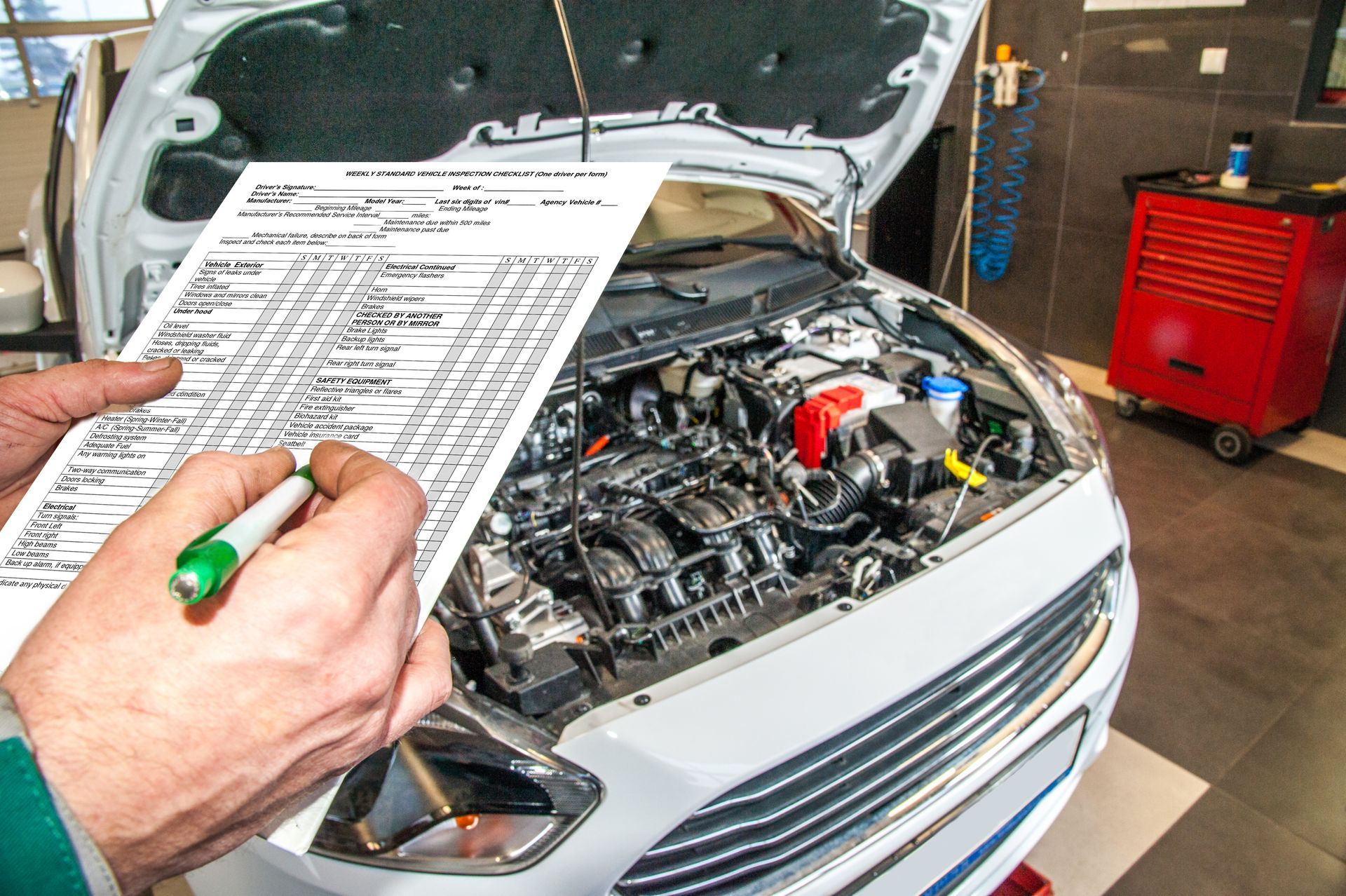
Look through the invoices for the date, mileage, and actual work completed. An entry saying the brakes were inspected isn't the same as a brake fluid change. A general service package might include an oil change and checks but leave several other scheduled jobs for another visit.
What if you can't find the old paperwork? Bring what you have, including any records in a maintenance app. We match the schedule to the engine and transmission fitted to your car and work through the gaps with you. There's no reason to repeat a clearly documented service just because it was completed somewhere else.
Low Mileage Doesn't Stop Time-Based Maintenance
Some maintenance comes due by age as well as mileage. A timing belt, for example, might reach its time limit while the odometer still looks low. Brake fluid replacement and other services also follow time limits on many vehicles. The owner's manual gives the starting point. Think about how the car spends its week. Does it mostly make short trips that end before the engine is fully warm? Repeated cold starts, long idling periods, towing, or dusty roads can change the car's service schedule. Tell us about that routine, so we can check the schedule that fits the way you drive.
Check Fluid Levels Between Maintenance Visits
For engine oil, park on level ground and follow your manual's instructions for engine temperature and waiting time. If there's a dipstick, pull it out, wipe it clean, put it all the way back, then remove it again to read the level. Add only the correct oil in small amounts and recheck so you don't overfill it. Cars with electronic oil readings have their own measuring procedure.
Check coolant through the marked reservoir with the engine cold, and never open a hot cooling cap. A level that keeps dropping needs a leak check. Full reservoirs also don't tell you when the fluids were last replaced. That's where your records come back into the picture.
Scheduled Maintenance Includes More Than Oil Changes
Plenty of parts do their job quietly right up to the point where service is overdue. A timing belt doesn't reliably warn you before it breaks, and worn spark plugs can feel normal during gentle driving. Waiting for a noise or warning light leaves gaps in the maintenance plan.
Check the history for these services where they apply:
- Engine oil and filter changes
- Brake fluid replacement
- Coolant replacement
- Transmission and drivetrain fluid service
- Spark plug replacement
- Timing belt replacement
- Engine and cabin air filter replacement
These jobs don't all share one interval. Keep each completed service with its date and mileage, even if several were done at the same appointment. Resetting the oil reminder doesn't update the history for the other fluids or parts.
Tire and Brake Checks Show How the Car Is Wearing
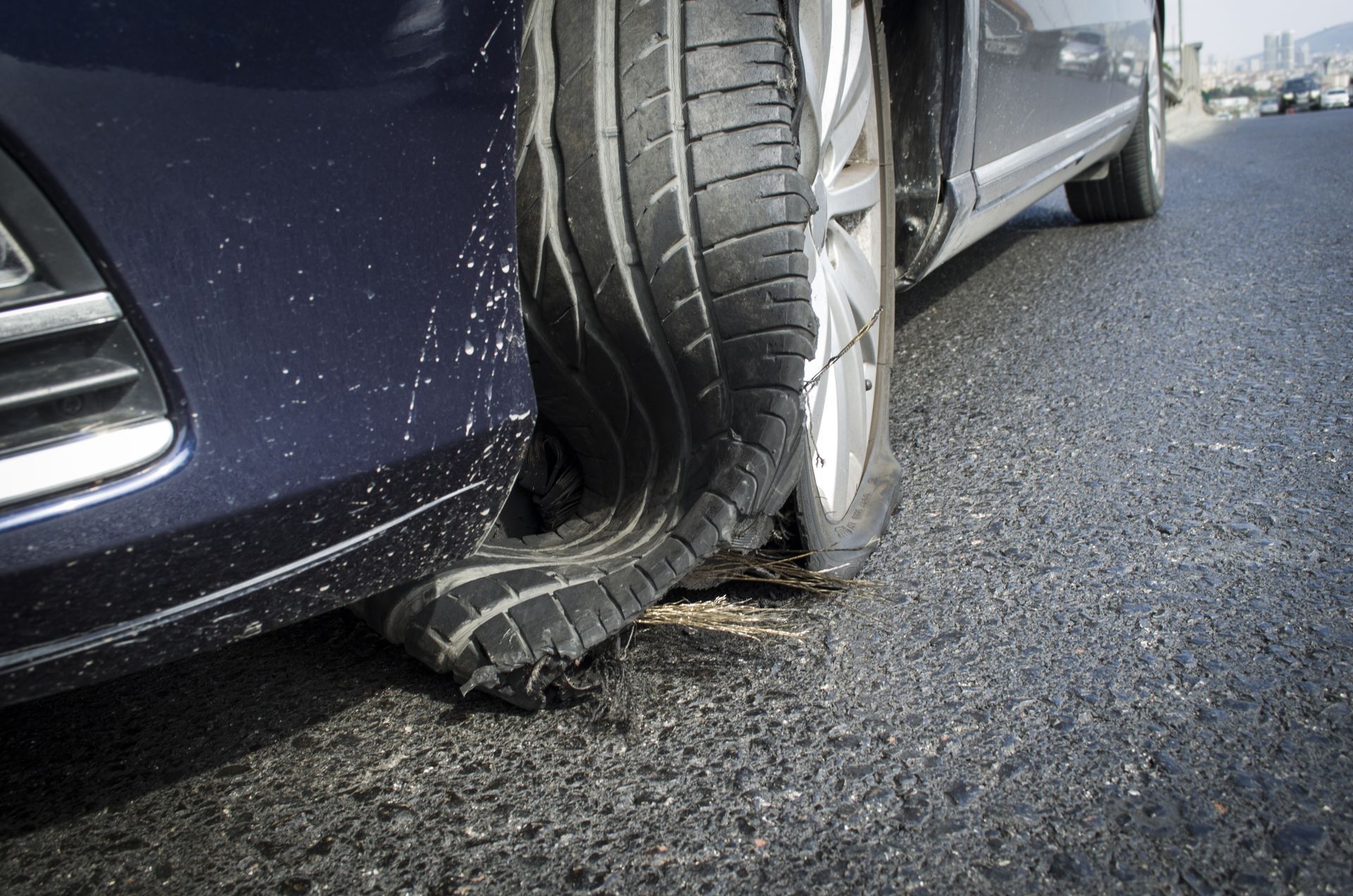
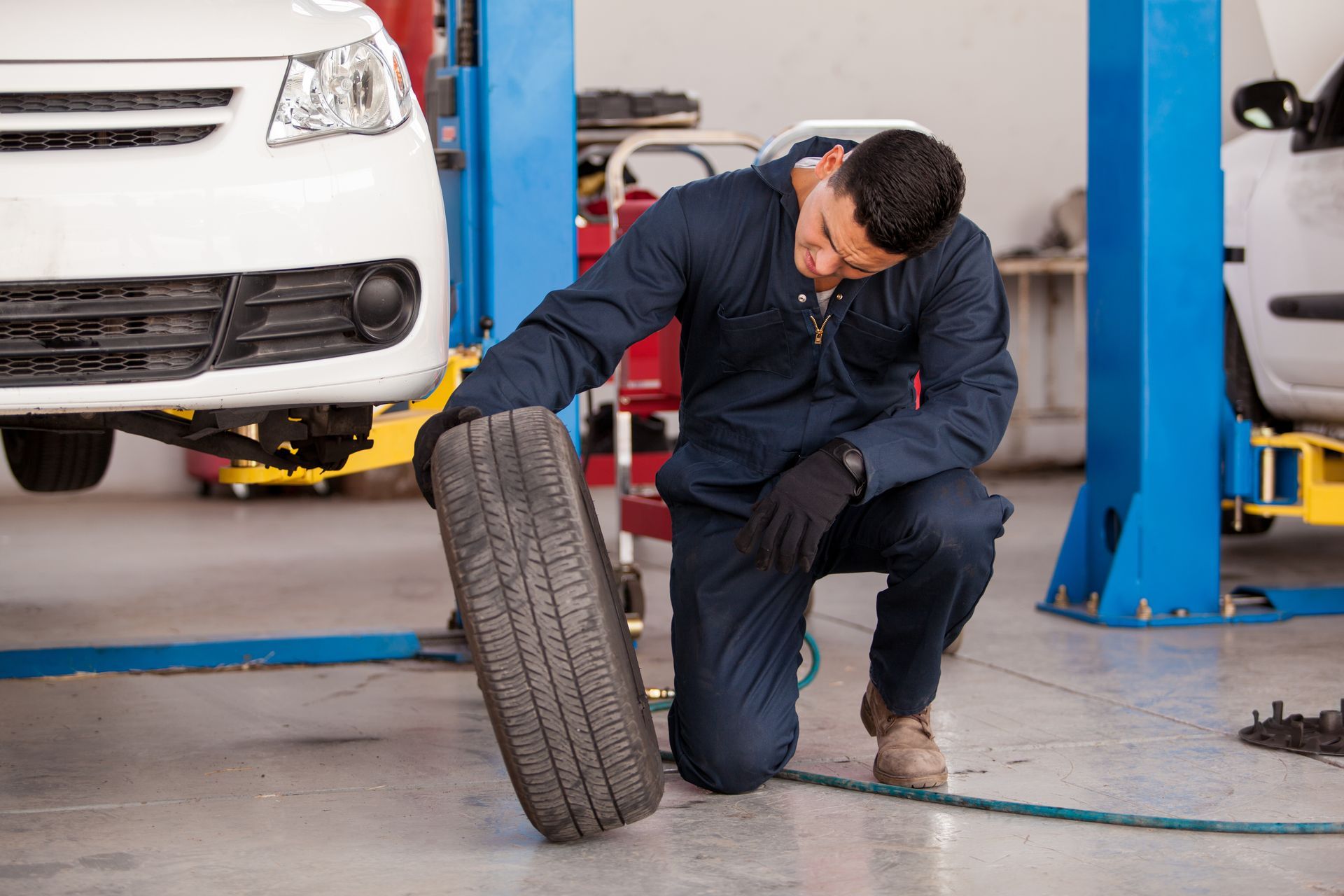
Check tire pressures monthly with the tires cold, using the settings on the vehicle's label. While you're there, look across as much of the tread as you can see. A worn inner edge is easy to miss, so we check the full tread width when the car is in the shop.
Brake wear also needs more than a quick glance through the wheel. One inner pad sometimes wears much faster than the outer one. Our technicians check the pads and rotors, look for leaks, and check steering and suspension movement. We put a loose ball joint or leaking brake line ahead of a routine filter replacement on the repair list.
Build a Maintenance Plan You Can Follow
Which jobs need doing now, and which ones fit the next visit? We explain what is due by time or mileage and what we've actually found worn or leaking. You'll have a much easier time planning the work when every recommendation has a clear reason behind it.
Keep the invoice after the appointment and note anything you've chosen to postpone. Before a longer trip, review those unfinished items again. New noises, warning lights, or low fluid levels still need checking between scheduled visits, even if you just had service.
Vehicle Maintenance at Fussell Tire and Service in Valdosta, GA
Fussell Tire and Service in Valdosta, GA, can review your records and check which maintenance jobs are coming due.
Bring your previous invoices to the next appointment, and we'll work through the schedule together.